This goes out to all the aircraft owners considering maintenance work. If your aircraft has a mechanical problem, don’t choose to “deal with it” until you can’t get around it anymore. Just fix it, and do it as soon as possible.
I don’t say this to make you spend more money in the maintenance shop. The truth is, it’s almost always cheaper to fix a problem sooner rather than later. It’s better to fix it at the first sign of malfunction, especially if the issue has to do with maintaining the integrity of your aircraft fuel system.
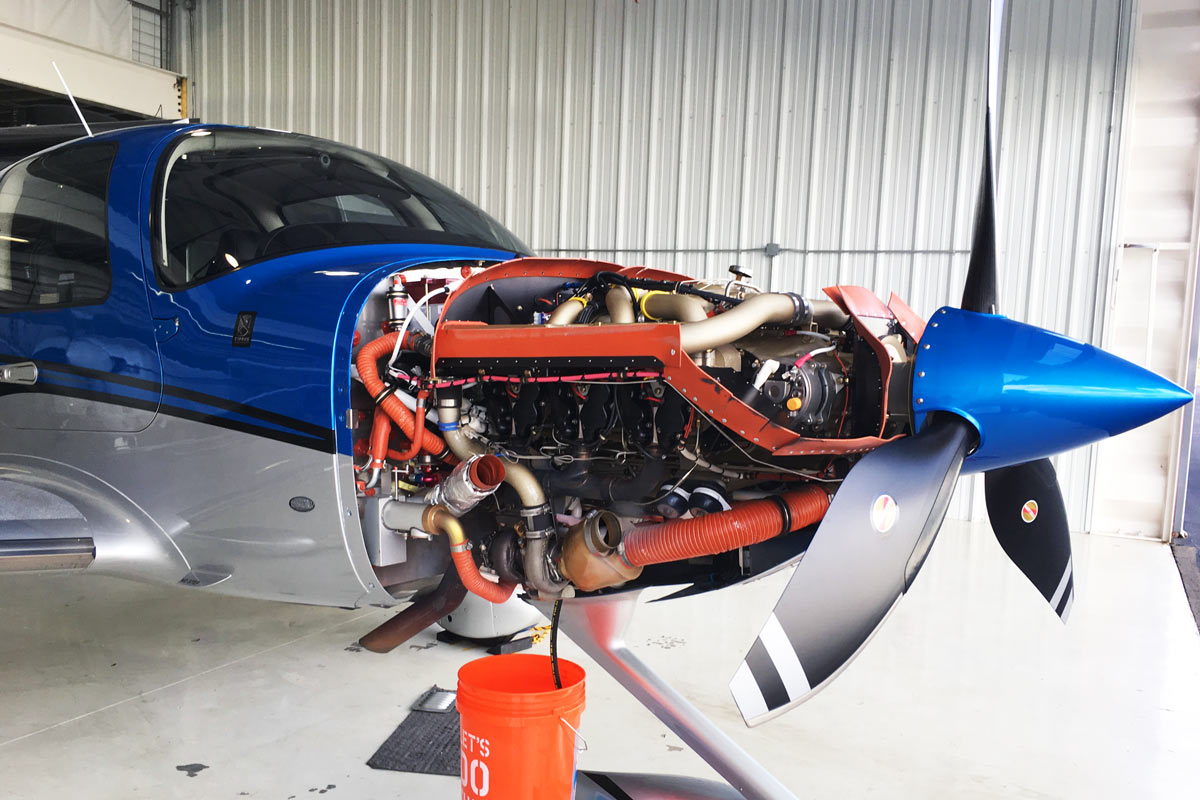
At the first sign of a leak, some aircraft owners may just be tempted just to turn the fuel selector off to stop it on the ground, as one pilot did when they noticed a slow drip off his aircraft’s nosewheel. They flew like this for a year, leaving the fuel selector in the off position on the ground, and didn’t investigate the issue until they lost almost all of the fuel in their tanks. Hundreds of dollars of AVGas dried useless on the tarmac, and they still had to pay to fix the original leak.
Any evidence of a fuel system malfunction or fuel leak should be addressed before the aircraft takes flight, or you could run the risk of an engine fire, explosion or fuel starvation in-flight.
What starts as a small problem can soon become something that not only hurts your wallet but could hurt you. The aforementioned pilot learned from a certified A&P that while the leak had started as a bad fuel selector, it could have become a bad engine-driven fuel pump because the fuel leaked despite leaving the fuel selector in the off position.
So how do you fix a fuel leak?
 |
| Simplified Diagram of the Engine Fuel System |
The first step is to troubleshoot where the leak is coming from by studying flow diagrams from manufacturers (usually found in the aircraft manual). Find the suspected defect by checking that each component in the fuel system is functioning as designed by close visual inspection.
A leak will often be traced back to a connection point of two fuel lines or a fuel line and a component. So, logically, a leak can often be repaired by replacing a gasket or seal.
Here’s how you can save hundreds of dollars by avoiding excessive maintenance: Make sure you are using the right, high-quality parts to begin with, and you’ll have fewer issues moving forward.
Gaskets, seals and packings have a limited shelf life, so check that the parts are within their service life before installing them. Ensure you are using the correct replacement part for your aircraft by searching the part number.
If this sounds too complicated, don’t hesitate to contact a certified A&P mechanic to fix the fuel leak for you. Don't forget, it’s better to spend a few more dollars upfront than endanger your health for the sake of your wallet.
Comments
Post a Comment